
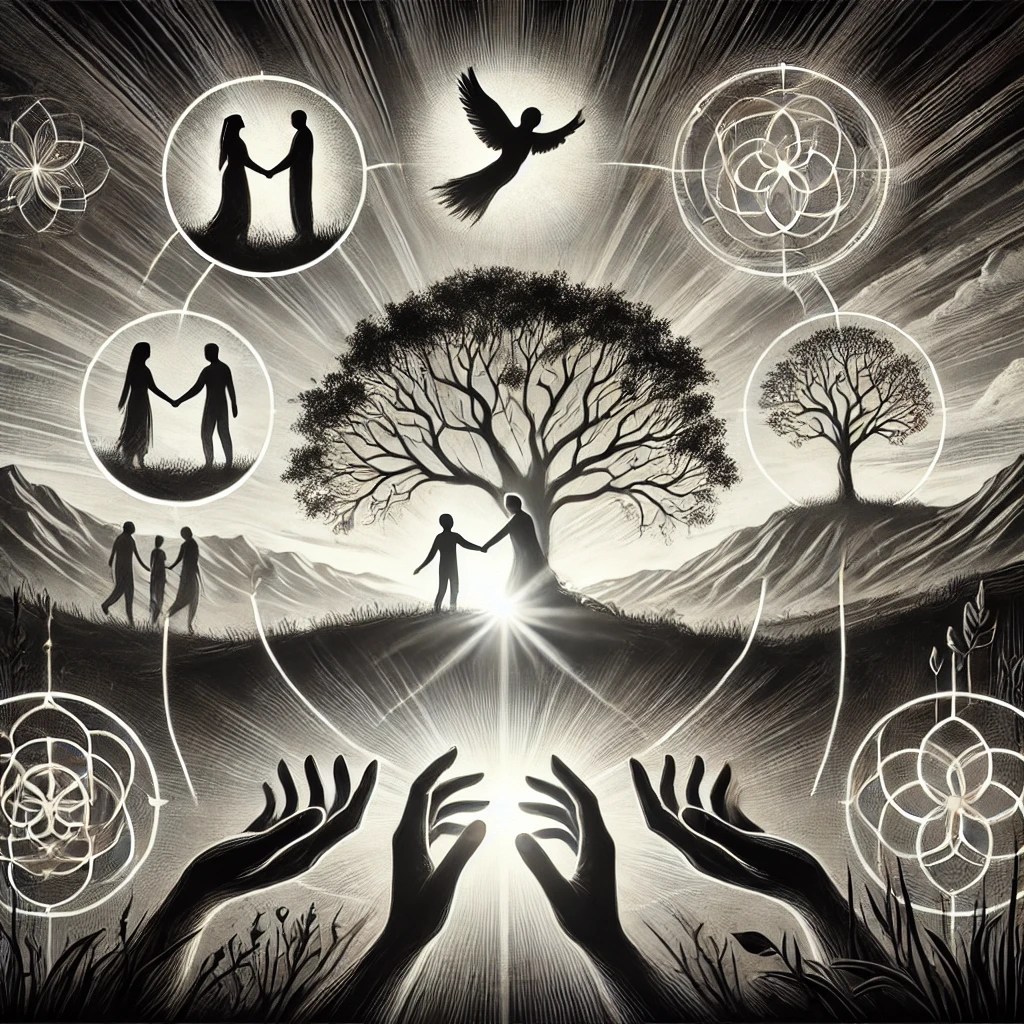
When we come into this world, tiny and vulnerable, we begin a mysterious countdown toward life’s final exhalation. From our first breath, each of us is on a journey toward an inevitable conclusion. Most people avoid thinking about it or place their faith in systems that promise to ease the fear of dying. But a growing movement called The Path offers another perspective: by facing our mortality honestly, we can enrich our time on Earth in profound ways.
I first encountered The Path in a humble community room with folding chairs arranged in a circle. There were no religious ornaments, no formal attire—just people ready to speak candidly about life’s toughest questions. A woman named Sarah Chen recalled giving birth to her baby girl and how her Path Assembly gently reminded her of life’s fragile nature, not to be grim but to underscore the extraordinary value of her daughter’s presence in the world. “We acknowledged the preciousness of her life,” Sarah told me. “Rather than letting that reality frighten us, we used it to heighten our gratitude.”
This approach aligns with The Path’s foundational text, sometimes called The Testament, which explains: “Embracing our finite existence makes each moment more precious—precisely because it does not last forever.” In gatherings and shared reflections, you find people who have learned not to flinch at the idea of their own impermanence. Their warmth and authenticity blend seamlessly with an emphasis on research, including the work of Dr. Sheldon Solomon at Skidmore College, who, alongside colleagues Dr. Jeff Greenberg and Dr. Tom Pyszczynski, developed Terror Management Theory. This theory describes how our awareness of death shapes behaviors and cultures, often in hidden ways.
Terror Management Theory: A Closer Look
Terror Management Theory (TMT) begins with a simple observation: humans uniquely recognize that death is inevitable. This awareness can create what psychologists call existential anxiety. We want to survive, but we also sense our unavoidable end—a conflict that generates deep tension. TMT posits that we build and hold onto cultural worldviews (religious, spiritual, or secular) that give our lives structure, purpose, and reassurance. By meeting the standards of these worldviews, we gain self-esteem, which helps buffer against our fear of death.
Researchers have shown that when people are reminded of mortality—sometimes by writing a brief essay about their own end—they tend to cling more tightly to their cultural values or seek to bolster their sense of self-worth (Simply Psychology on TMT). While some critics believe fear of death is just one of several anxieties we face, TMT remains influential. It explains how a quiet undercurrent of death anxiety can influence politics, religion, relationships, and more.
The Path embraces these findings by offering a community grounded not in supernatural beliefs, but in clear-eyed awareness. Rather than pushing fear aside, Path members learn to recognize when it arises and how it might be steering their choices—from career ambitions to personal convictions. In doing so, they transform existential worry into a source of clarity.
Bringing TMT to Life: The Path in Practice
Life Marking Ceremonies
What sets The Path apart is its focus on concrete practices, including what they call “life marking” ceremonies—occasions that highlight major milestones while encouraging a gentle awareness of life’s impermanence. When a new baby arrives, for instance, the community comes together to celebrate the wonder of that tiny existence. Parents can reflect on how evolution shaped this new life, and how simply being alive is a gift that merits deep appreciation. Far from being grim, members say this viewpoint heightens joy.
Mortality Awareness Sessions
In regular meetups, sometimes referred to as “mortality awareness sessions,” participants discuss the ways people commonly hide from death or cling to comforting beliefs. Assemblies might read an article summarizing TMT research, then share personal anecdotes—like the moment a loved one’s passing first shook their perspective. Together, they identify how cultural conditioning and self-esteem needs can steer responses to mortality. A facilitator might note that discovering these hidden motivations can help individuals choose more fulfilling paths, rather than reacting unconsciously to fear.
Reality Circles and Self-Esteem
TMT also highlights how self-esteem can act like armor against the dread of death. The Path adopts this insight through small gatherings called “reality circles.” These circles allow members facing major life changes—such as a serious illness, career crisis, or the loss of a family member—to find emotional support within a compassionate group. The central message is: you have worth simply by being who you are, not because you measure up to any supernatural claim. This affirmation resonates with TMT’s emphasis on the importance of self-esteem in navigating existential concerns.
Children, Older Adults, and the Cycle of Life
Another significant aspect of The Path’s approach involves how they talk to children about death. Developmental psychology suggests that around age five, kids begin to grasp the idea that life doesn’t go on forever. Rather than offering tales of a pet’s mystical afterlife, parents in The Path explain that all living things eventually return to the broader ecosystem. By framing it as a natural part of life—much like the changing seasons—children often find a calm acceptance and a sense of unity with the world around them.
Older adults, too, share how this straightforward approach brings comfort. Dr. Christel Manning’s research includes the story of a 91-year-old named Agnes, who spoke with tranquility about her place in “nature’s ongoing cycle” after losing both legs to diabetes. Agnes found peace in knowing her physical body would someday rejoin the materials of the earth. There was no talk of fear or dread. Instead, she exuded a sense of gratitude for the life she had and curiosity about the universal processes that had shaped—and would outlast—her own existence.
Compassion in Crisis
The Path shows its deepest compassion when tragedy arrives unexpectedly. Consider the Martinez family, who lost both parents to a drunk driver, leaving behind three children. While many communities might focus on religious consolations or purely logistical support, The Path introduced something they call “reality holding practices.” This includes educational resources on grief, discussions about how trauma affects memory and emotional regulation, and a warm circle of acknowledgment where no one tries to deny the raw anguish. This balanced approach—informing survivors while welcoming their pain—exemplifies The Path’s blend of realism and kindness.
A similar spirit animates how they care for members facing terminal illness. “Reality circles,” which help people through various life transitions, become a safe haven for discussing the process of dying. Members talk openly about symptoms, fears, and how best to spend their remaining days. Inspired by TMT’s finding that conviction—whether spiritual or secular—can offer resilience, The Path helps people anchor themselves in a reality-based understanding of life’s closure, accompanied by the emotional support of a close-knit group.
Celebrations with Depth
Far from cultivating gloom, The Path finds ways to honor life’s brightness. Weddings, for example, include a gentle reminder that every partnership will eventually change, either through growth, shifting circumstances, or the end of one partner’s life. Rather than diminishing the celebration, couples often report feeling even more connected, aware that their love exists in a precious, finite context. Coming-of-age ceremonies, too, incorporate reflections on human evolution, helping young people see their personal journey as part of a vast story that stretches back through millennia.
This pragmatic stance extends to planning for older adults, covering legal matters and emotional care in tandem. It’s a routine part of membership to discuss final arrangements well before they become urgent, ensuring no one navigates these transitions alone or in a frantic state.
Mental Health and Community Support
The Path’s commitment to honesty is also evident when it comes to mental health struggles. After a young member named James Chen ended his life, the Assembly organized a space resembling a vigil—though without prayers for divine intervention. Instead, the focus was on understanding the neurobiology of depression, recognizing the pressures James may have felt, and honoring his memory with tenderness. By rejecting stigma and addressing suicide as both a societal and personal tragedy, The Path fosters healing conversations that neither sensationalize nor minimize the pain involved.
Finding Joy in Our Shared Humanity
It’s natural to wonder if a movement built on facing death could become somber, but Path members describe a surprising zest for living. Their social gatherings, holiday events, and simple get-togethers ring with laughter and genuine connection. Freeing themselves from the taboo of discussing death, they say, has led them to a deeper appreciation for the present moment. This echoes Dr. Laura Carstensen’s socioemotional selectivity theory—the idea that when people recognize life’s brevity, they often focus on what matters most: meaningful relationships and personal fulfillment.
At the heart of The Path is the conviction that sorrow and loss, though painful, can be faced openly and together. The group doesn’t shy away from final goodbyes; rather, it frames them as part of life’s natural arc. This shared acceptance, members say, allows them to greet each day with a fresh sense of wonder.
A New Kind of Community
As organized religion declines in some regions, many feel a void when it comes to communal support and existential guidance. According to Dr. Manning’s surveys, a large group of secular Americans still wants a space to process life’s biggest questions but can’t reconcile supernatural claims with their worldview. For them, The Path’s structure—rooted in psychology, scientific findings, and human empathy—meets this need.
Their Testament acknowledges the valuable roles religion once played—teaching morality, uniting communities, and offering solace in grief—yet separates those roles from supernatural doctrines. They reference the moral teachings of figures like Jesus of Nazareth (minus the miracles) and combine them with insights from Terror Management Theory and modern research on consciousness, resilience, and social bonds. In doing so, The Path provides a kind of spiritual grounding free from supernatural claims.
Embracing Life by Facing Death
Ultimately, The Path’s greatest contribution may be how it normalizes conversation about the end of life. In a quiet hospital room where a member like Agnes approaches her final days, you won’t hear frantic prayers for miraculous intervention. Instead, you’ll find gentle voices recalling the richness of her experiences and the kindness she’s shown. The atmosphere is honest, yet profoundly caring.
Terror Management Theory taught us that our awareness of death can shape who we are in countless subtle ways. The Path takes that lesson and turns it into something tangible—a compassionate community that neither hides from mortality nor surrenders to it. They see death as the natural endpoint that gives urgency and beauty to life. Their gatherings, ceremonies, and open-hearted dialogues remind us that the final boundary can become a portal to deeper relationships and a more vibrant existence.
For those weary of empty platitudes or denial, The Path offers an alternative: come learn how to live more fully by acknowledging that life is finite. In that awareness, they say, you may find a new kind of radiance, an honest joy that springs from recognizing life’s fragility. And that, perhaps, is the real miracle—finding profound beauty in the simple, scientific, and heartfelt truth that everyone we love, and every moment we share, is made more meaningful by the knowledge it will one day slip away.
 The Path
Leave a comment