
Understanding Principles, Morals, and Ethics on The Path
Let me tell you about three words we often use interchangeably, though they’re as different as the foundation, frame, and rooms of a house. When people ask about The Path’s principles, morals, and ethics, they’re really asking: What do we believe? How do we know right from wrong? And what do we actually do about it?
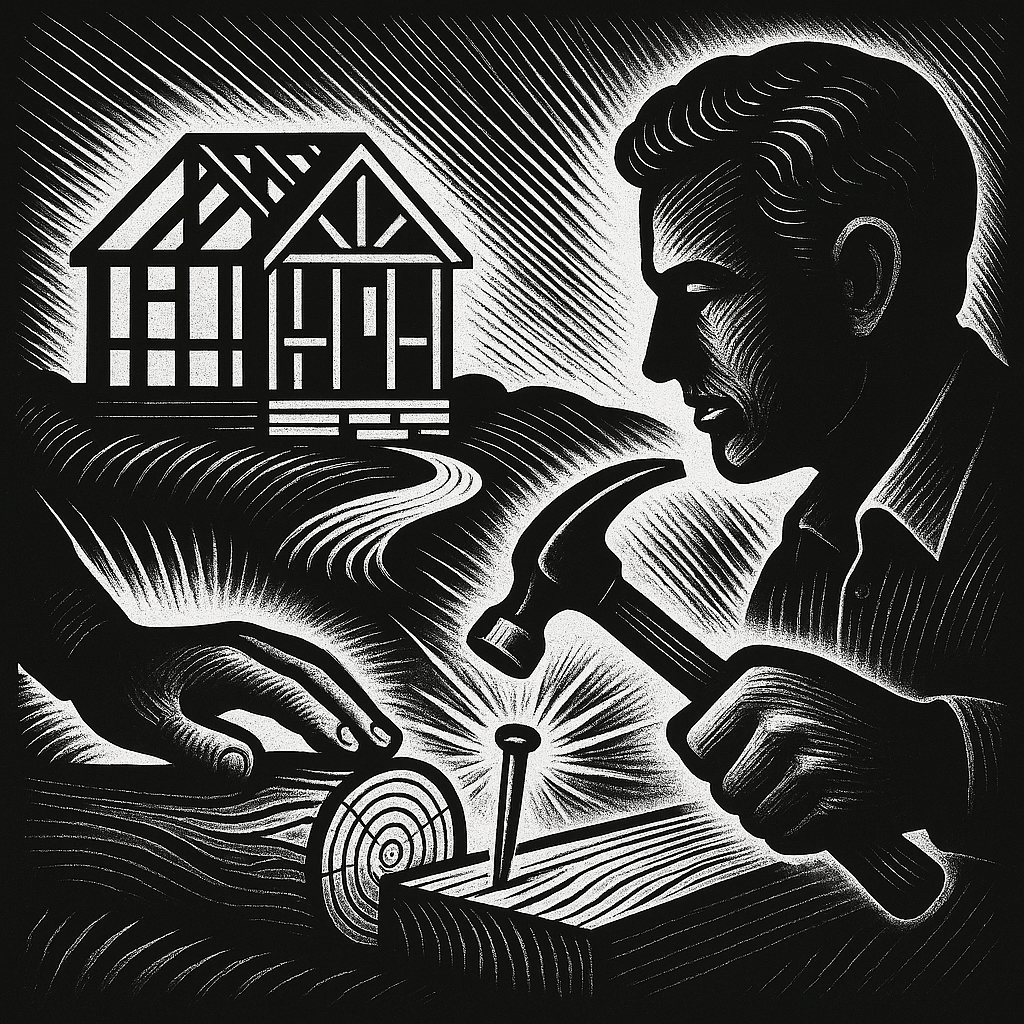
Picture a master carpenter teaching an apprentice. She doesn’t start with which hammer to use or how to drive a nail. She starts with understanding wood itself: how it grows, how it bears weight, how it responds to stress. Those fundamental truths about wood’s nature? Those are principles. The understanding of what makes a structure sound or unsafe? That’s morality. The specific techniques and rules for building safely? That’s ethics.
Principles
Principles are the bedrock truths about reality that everything else builds upon. They’re not rules or commands they’re recognitions about how the world actually works, how humans actually flourish, what actually creates suffering or wellbeing.
Look at The Path’s principles. “Showing mercy and compassion to others” isn’t a rule, it’s a recognition that humans are interconnected, that suffering diminishes us all, that compassion is what makes us most fully human. “Looking beyond surface appearances” acknowledges that reality is complex, that snap judgments often mislead us, that wisdom requires patience and depth.
These principles come from observing what actually works. When Jesus taught about forgiveness, he wasn’t inventing an arbitrary rule. He was recognizing something profound about human psychology in that holding onto resentment poisons the one who resents more than the one resented. That reconciliation heals communities in ways punishment never can. That understanding human fallibility helps us live together despite our flaws.
The Path’s principles are descriptive, not prescriptive. They describe what is, not what should be. “Caring for the poor and marginalized” isn’t a principle because God commands it, but because societies that abandon their vulnerable members inevitably decay. It’s cause and effect, as natural as gravity.
Morals
Now, morals emerge from principles like a plant emerges from soil. If the principle is “humans are interconnected and compassion strengthens that connection,” then the moral sense that emerges says: “It is good to ease suffering, wrong to cause it needlessly.”
Morality is our internal compass, calibrated by principles. It’s the feeling in your gut when you see someone hungry and you have extra food. It’s the discomfort when you’re about to lie, knowing that truthfulness is a principle that maintains trust. Morals are principles transformed into feelings about right and wrong.
The Path’s morals flow naturally from its principles:
From “treating others as you wish to be treated” emerges the moral sense that exploitation is wrong, that dignity matters, that every person deserves basic respect.
From “understanding human fallibility” comes the moral recognition that perfection isn’t possible, that judgment should be tempered with mercy, that we all need grace.
From “challenging systemic unfairness” grows the moral conviction that injustice anywhere threatens justice everywhere, that silence in the face of oppression is complicity.
These aren’t arbitrary moral rules handed down from above. They’re moral intuitions that develop naturally when you deeply understand the principles. A child who truly grasps that others feel pain just as she does develops empathy not because she’s told to, but because the principle creates the moral sense.
Ethics
Ethics is where rubber meets road. If principles are the foundation and morals are the framework, ethics are the specific blueprints for action. Ethics translate moral understanding into practical decisions.
The Path’s ethics answer questions like: “Given that we value compassion (principle) and believe suffering should be reduced (moral), how do we actually help someone who’s homeless (ethics)?”
Here’s where it gets practical:
Economic Ethics: The principle of “warning against greed and excessive wealth” combined with the moral sense that extreme inequality causes suffering leads to specific ethical practices: living simply, sharing resources, questioning systems that concentrate wealth, choosing careers that contribute rather than extract.
Interpersonal Ethics: The principle of “seeking reconciliation over revenge” and the moral conviction that cycles of retaliation destroy communities translate into ethical behaviors: addressing conflicts directly but respectfully, apologizing when wrong, forgiving even when it’s difficult, breaking cycles of harm.
Social Ethics: The principle of “advocating for the vulnerable” and the moral understanding that power without accountability corrupts becomes ethical action: speaking up against discrimination, using privilege to amplify marginalized voices, participating in community organizing, choosing leaders who serve rather than dominate.
Environmental Ethics: Though not explicitly listed in The Path’s principles, the understanding of interconnection and responsibility for future generations creates ethical obligations: consuming mindfully, protecting resources for those who come after us, recognizing that harming the environment ultimately harms humanity.
Why does parsing these distinctions matter? Because confusion between principles, morals, and ethics leads to rigid thinking and failed communities.
When people mistake ethics for principles, they become fundamentalists insisting that specific rules are eternal truths rather than practical applications. They might say “you must give away all possessions” instead of understanding that the principle is about not letting materialism corrupt your spirit, which might be practiced differently in different contexts.
When people confuse morals with ethics, they become judgmental condemning others for different practices even when they share the same moral foundation. Two people might share the moral conviction that we should help the suffering but disagree on whether that means direct charity or systemic change. Both can be ethical expressions of the same moral sense.
When people ignore principles altogether and jump straight to ethics, they become hollow rule-followers doing “the right thing” without understanding why, which means they can’t adapt when circumstances change and the old rules no longer serve the underlying principles.
The Path’s Moral Architecture
So what are The Path’s morals and ethics, built on its principles?
Core Morals (the sense of right and wrong that emerges from principles):
- Human suffering is wrong when preventable
- Dignity is inherent and inviolable
- Truth serves humanity better than deception
- Justice delayed is justice denied
- Community wellbeing supersedes individual gain
- Power without compassion corrupts
- Wisdom requires humility
- Reconciliation heals more than retribution
Practical Ethics (how we act on these morals):
- Intervene when witnessing cruelty or injustice
- Share resources with those who have less
- Speak truthfully even when it’s uncomfortable
- Create inclusive communities that welcome difference
- Challenge systems that perpetuate inequality
- Use whatever power you have to protect the vulnerable
- Admit mistakes and make amends
- Choose forgiveness over grudges, understanding over judgment
But here’s what’s beautiful about The Path: these ethics aren’t commandments carved in stone. They’re living practices that evolve as our understanding deepens. The principle remains constant (compassion strengthens human bonds), the moral sense remains steady (unnecessary suffering is wrong), but the ethical application adapts to context.
In a drought, sharing water might be the highest ethical expression of compassion. In abundance, it might be ensuring everyone has meaningful work. The ethics change; the underlying principle and moral sense remain.
The Integration
The Path doesn’t separate these three levels, they work together like a living system. Principles inform morals which guide ethics which, through practice, deepen our understanding of principles. It’s a spiral of growth, not a hierarchy of rules.
When someone walking The Path faces a decision, they don’t consult a rulebook. They ask: What principle applies here? What moral intuition does that create? How can I act ethically given the specific circumstances?
This approach requires more thought than blind obedience but creates more genuine goodness than rigid rule-following ever could. It produces people who know not just what to do but why to do it, who can adapt to new situations while maintaining moral clarity, who can disagree on ethics while sharing moral foundation.
The Living Practice
Perhaps most importantly, The Path recognizes that principles, morals, and ethics aren’t abstract philosophy but lived experience. You don’t learn compassion by studying it; you learn it by practicing it. You don’t develop moral sense through lectures but through confronting real dilemmas. You don’t perfect ethics by memorizing rules but by making mistakes and learning from them.
This is why Assemblies matter, as they’re laboratories for moral development, safe spaces to practice ethics, communities where principles become lived experience rather than intellectual concepts.
The Path’s principles aren’t beliefs to hold but truths to embody. Its morals aren’t feelings to have but senses to develop. Its ethics aren’t rules to follow but practices to refine.
And in that embodiment, development, and refinement, something beautiful emerges: not perfect people, but growing people. Not moral authorities, but moral practitioners. Not ethical experts, but ethical experimenters, working together to build communities where principles, morals, and ethics align to create genuine human flourishing.
That’s the architecture of character The Path offers, not a prison of rules but a framework for growth, not a map with every step marked but a compass pointing toward true north, not answers to every ethical question but tools to work out answers together.
Strong foundations, flexible frameworks and practical applications is how you build something that lasts while adapting to change. Whether building houses or building character, the principles remain the same.
Welcome to The Path. Let’s walk together.
 The Path
Leave a comment